
Education
Evidence-based resources to help you manage your diabetes
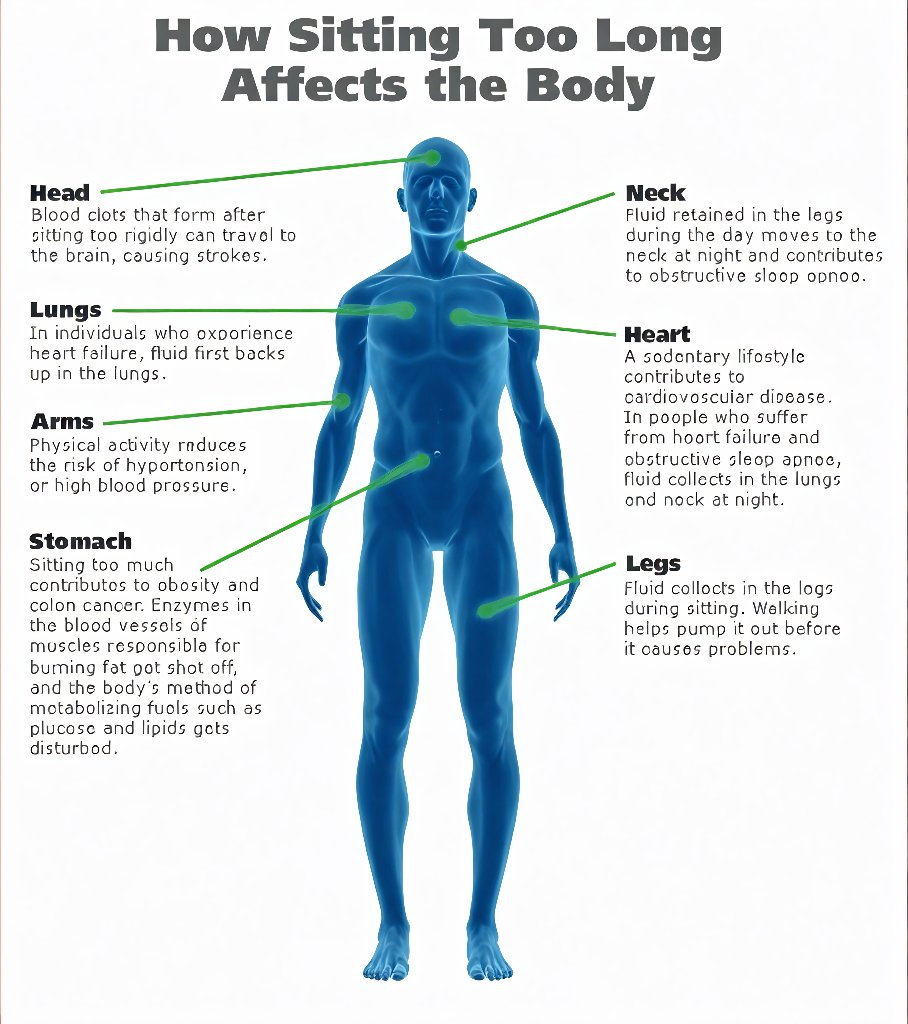
💡 Tip: Get up and move every 30 minutes!

💊 Exercise is Medicine
Scientific research proves that regular exercise is as effective - and sometimes more effective - than many medications for managing diabetes and preventing its complications. Think of exercise as your daily prescription for better health!

"Stick with it, reap the benefits and continue to enjoy life with those you care the most about!"
💚 Your health is the greatest gift you can give your family. Every exercise brings you closer to more joyful moments together.
Your Trusted Partner for a Better Life
This app is more than a tool - it's your best friend and dedicated partner in achieving your health objectives. Don't worry if this all seems like a lot. We'll work together, improving your health gradually, day by day. There's no need to rush or be perfect. Just stick with us, make exercise a positive habit, and an optimistic future with enhanced quality of life is just around the corner. You're never alone - we're here to support you every step of the way!
🤝 Your Partner
Here for you every step
💚 Your Best Friend
Always here to encourage you
🌈 Together to Success
Your goals, our mission
What is a Clinical Exercise Physiologist?
Healthcare professional guiding your exercise journey
Professional Definition
A Clinical Exercise Physiologist (CEP) is a university-trained allied-healthcare exercise professional who uses evidence-based exercise testing, prescription, supervision and behavioural change strategies to design and manage therapeutic physical-activity/exercise programmes for individuals (of any age) with or at risk for acute, chronic or complex health conditions (such as cardiopulmonary, metabolic, neuromuscular, musculoskeletal or ageing-related disorders), in collaboration with medical and allied-health teams, to improve functional capacity, health outcomes, and quality of life.
University Trained
University degree in exercise physiology or related field
Evidence-Based
Uses scientific research and best practices
Collaborative Approach
Works with your medical team
Specialized Care
Expert in chronic and complex health conditions
What CEPs Do
Exercise Testing
Assess your fitness level and functional capacity
Exercise Prescription
Design personalized exercise programs for your condition
Supervision
Monitor and adjust your program safely
Behavioral Change
Help develop sustainable exercise habits
Collaboration
Work with your doctors and healthcare professionals
Condition Management
Manage chronic and complex conditions safely
Conditions Treated
Cardiopulmonary
Heart disease, hypertension, COPD
Metabolic
Diabetes, obesity, metabolic syndrome
Neuromuscular
Stroke, Parkinson's, multiple sclerosis
Musculoskeletal
Arthritis, osteoporosis, chronic pain
Ageing-Related
Frailty, sarcopenia, functional decline
Cancer
Cancer rehabilitation and survivorship
Benefits of CEPs
Working with a Clinical Exercise Physiologist can:
- Improve functional capacity and independence
- Enhance health outcomes and disease control
- Reduce risk of complications
- Increase quality of life and wellbeing
- Provide safe and effective exercise prescription
✨ Designed by Professionals ✨
This application has been designed by certified Clinical Exercise Physiologists, ensuring that every exercise, program, and recommendation is based on scientific principles and clinical best practices for diabetes management.
Professional Certification
Evidence-Based
Patient-Centered
Your health in the hands of qualified experts
Disease Prevention Through Therapeutic Exercise
How adapted exercise complements medical treatment
Adding and applying adapted physical activity and clinical exercise physiology principles, along with a medical treatment plan, can act as primary, secondary, and tertiary disease prevention. This integrated approach significantly decreases the risk of developing complications and increases life expectancy.
💚 Life expectancy increase of up to 7 years with regular exercise and medical treatment
1️⃣ Primary Prevention
Preventing disease from developing
Primary prevention aims to prevent the onset of disease in healthy or at-risk individuals. Therapeutic exercise acts as a powerful preventive tool by addressing risk factors before disease develops.
How it works:
- • Improves insulin sensitivity
- • Maintains healthy weight
- • Reduces blood pressure
- • Improves lipid profile
- • Strengthens immune system
Diseases prevented:
- • Type 2 diabetes (↓58%)
- • Heart disease (↓35%)
- • Stroke (↓27%)
- • Certain cancers (↓20-30%)
- • Dementia (↓30%)
💡 Impact: 40-60% risk reduction in developing chronic diseases
2️⃣ Secondary Prevention
Detecting and treating disease early
Secondary prevention focuses on early detection and prompt intervention to slow or halt disease progression. Exercise therapy helps manage existing conditions and prevent them from worsening.
How it works:
- • Improves glycemic control (HbA1c ↓1-2%)
- • Slows disease progression
- • Reduces medication needs
- • Improves organ function
- • Monitors health indicators
Conditions managed:
- • Prediabetes → Prevent diabetes
- • Hypertension → Normalize BP
- • High cholesterol → Improve lipids
- • Obesity → Healthy weight loss
- • Metabolic syndrome → Reverse
💡 Impact: Slows disease progression by 50-70%, reduces complications by 40%
3️⃣ Tertiary Prevention
Managing established disease and preventing complications
Tertiary prevention aims to manage established chronic diseases, prevent complications, and improve quality of life. Therapeutic exercise is essential for maintaining function, independence, and wellbeing.
How it works:
- • Maintains functional capacity
- • Prevents secondary complications
- • Improves quality of life
- • Reduces hospitalizations
- • Preserves independence
Complications prevented:
- • Diabetic retinopathy (↓76%)
- • Nephropathy (↓39%)
- • Neuropathy (↓60%)
- • Cardiovascular events (↓42%)
- • Amputations (↓85%)
💡 Impact: Reduces serious complications by 60-85%, improves quality of life by 40%
📈 Life Expectancy Increase
Research demonstrates that integrating clinical exercise physiology principles with a medical treatment plan increases life expectancy by 3 to 7 years in people with diabetes. Regular exercise reduces all-cause mortality by 30-40% and significantly improves healthy life years.
+3-7
Years of life
↓30-40%
Mortality
↓60%
Complications
+40%
Quality of life
Integration with Medical Treatment
🏥 Medical Approach Alone
- ✓ Medications
- ✓ Regular monitoring
- ✓ Dietary advice
💪 Medical + Exercise Therapy
- ✓ Medications (often reduced)
- ✓ Regular monitoring
- ✓ Dietary advice
- ✓ Personalized exercise prescription
- ✓ Complication prevention
- ✓ Improved quality of life
- ✓ Increased life expectancy
Chronic Disease Cascade
How one condition increases risk of developing others
Living with a chronic condition like diabetes significantly increases the risk of developing other serious health conditions. These interconnected conditions create a "cascade" where each new complication increases the risk of additional complications. Understanding these risks enables early intervention and effective prevention.
Diabetes Complication Network
❤️ Cardiovascular Disease
People with diabetes have 2-4 times higher risk of developing heart disease and are 2-3 times more likely to have a stroke.
Increased risk of:
- • Heart attack (×2-4)
- • Stroke (×2-3)
- • Heart failure
Prevention:
- • Regular aerobic exercise
- • BP control
- • Lipid management
💧 Kidney Disease
30-40% of people with diabetes develop diabetic nephropathy, which can progress to kidney failure requiring dialysis.
Increased risk of:
- • Nephropathy (30-40%)
- • Chronic kidney disease
- • Dialysis required
Prevention:
- • Tight glycemic control
- • BP control (<130/80)
- • Regular urine tests
👁️ Ophthalmic Complications
Diabetes is the leading cause of blindness in adults. Diabetic retinopathy affects up to 80% of people who have had diabetes for 20 years.
Increased risk of:
- • Retinopathy (80% at 20yr)
- • Glaucoma (×2)
- • Early cataracts
Prevention:
- • Annual eye exam
- • Optimal glycemic control
- • BP management
⚡ Nerve Damage
Up to 50% of people with diabetes develop neuropathy, increasing risk of foot ulcers, amputations, and other complications.
Increased risk of:
- • Peripheral neuropathy (50%)
- • Foot ulcers
- • Amputations (×10-20)
Prevention:
- • Glycemic control
- • Daily foot care
- • Adapted exercise
⚠️ Cascade Effect: How One Condition Triggers Others
❤️ Heart
Atherosclerosis → Heart Attack
💧 Kidneys
Nephropathy → Dialysis
👁️ Eyes
Retinopathy → Blindness
⚡ Nerves
Neuropathy → Amputation
⚡ Each complication increases risk of additional complications ⚡
💪 Breaking the Cascade with Therapeutic Exercise
Clinical exercise acts at multiple levels to prevent the disease cascade:
Source Control
- • Improves insulin sensitivity
- • Reduces blood sugar (↓20-30%)
- • Decreases HbA1c (↓1-2%)
Multi-Organ Protection
- • Protects heart function
- • Preserves kidney function
- • Improves retinal circulation
Early Intervention
- • Detects changes early
- • Adjusts treatment quickly
- • Prevents progression
Systemic Strengthening
- • Reduces inflammation
- • Improves circulation
- • Strengthens resilience
🎯 Result: 60-85% Reduction in Complication Risk
Understanding Type 2 Diabetes
Learn the fundamentals of type 2 diabetes, its causes, and how it affects your body.
Exercise and Diabetes
Discover how exercise helps manage blood sugar and improve overall health.
Glycemic Index vs Glycemic Load
Understanding the difference between GI and GL and how to use them to manage blood sugar.
Vinegar & Lemon to Reduce Blood Sugar Spikes
How adding vinegar or lemon to carb-rich meals can slow sugar absorption and improve glycemic control.
Nutrition for Diabetes
Essential nutrition strategies for managing diabetes effectively.
Blood Sugar Monitoring
Learn how to effectively monitor and interpret your blood sugar levels.
Preventing Complications
Strategies to prevent long-term diabetes complications.
Community Support
How to connect with others and find support in your diabetes journey.
High-Intensity Exercise, BDNF & Alzheimer's Prevention
How high-intensity exercise boosts BDNF to protect against cognitive decline and Alzheimer's disease.
Diabetes and Chronic Disease Risk
Comprehensive overview of all chronic conditions with increased risk from diabetes, with statistics and prevention strategies.
Sleep and Diabetes
How sleep quality and duration affect blood sugar, insulin resistance, and diabetes management.